Summary
- Nasdaq Composite dropped 1.375% to 26,184.73, leading declines among major U.S. indexes.
- S&P 500 slipped 0.305% to 7,720.39, pulling back from its 52-week high of 7,844.52.
- Iran disputed U.S. claims that key Hormuz shipping lanes had been cleared after strikes.
The Nasdaq Composite bore the brunt of Thursday's selling, falling 1.375% to close at 26,184.73, well off its 52-week high of 27,722.75. The S&P 500 shed 0.305% to settle at 7,720.39, while the Dow Jones Industrial Average slipped 0.253% to 52,342.60. All three benchmarks remain comfortably above their 52-week lows, but the tech-heavy Nasdaq's steeper drop signaled investors were trimming exposure to risk-sensitive growth stocks.
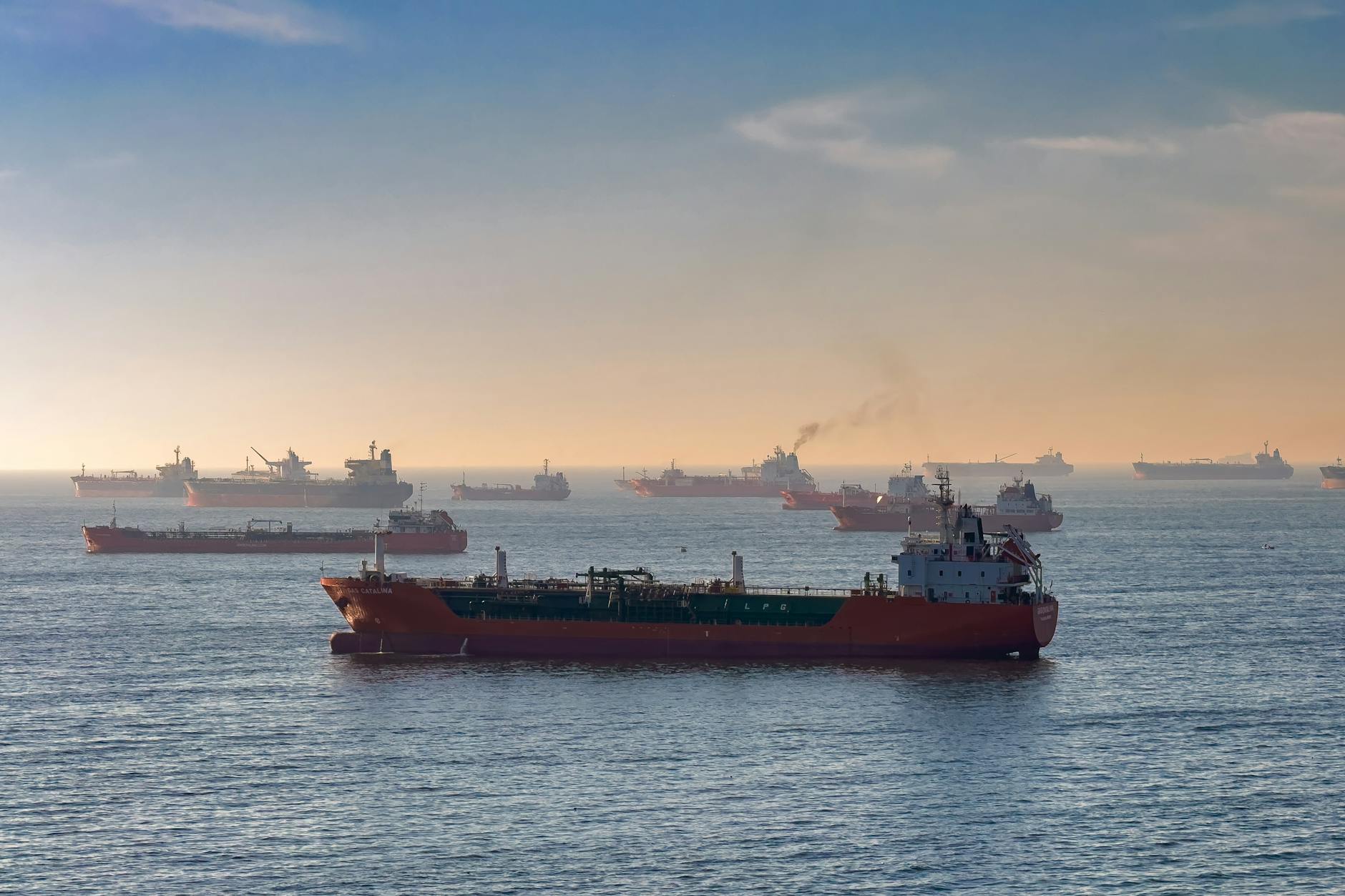
The selloff followed reports that four tankers struck mines in the Strait of Hormuz, one of the world's most critical oil transit corridors. Iran disputed a U.S. assertion that shipping lanes through the strait had been cleared, raising the specter of a prolonged standoff that could threaten the flow of roughly a fifth of global oil supply. The reported incidents come in the wake of recent U.S. midterm elections, a period that has heightened scrutiny of Washington's posture toward Tehran.
Energy security concerns of this kind tend to ripple through markets in predictable ways: oil-sensitive sectors can see volatile swings, while broader equity indexes often retreat as investors reassess inflation and growth risks tied to higher fuel costs. A disruption in the Strait of Hormuz, which sees a substantial share of the world's seaborne crude pass through daily, carries outsized importance because alternative routes are limited and costly.
Markets had been trading near record territory heading into the week, with the S&P 500 sitting just below its all-time high of 7,844.52 set earlier this year. Thursday's pullback trims some of those gains but does not yet constitute a material technical reversal, given the index remains more than 1,400 points above its 52-week low of 6,316.91.
Investors will be watching for further confirmation of the extent of damage to the tankers and whether shipping traffic through the strait is meaningfully impeded. Any sustained disruption could push oil prices higher and complicate central bank efforts to manage inflation, adding a new variable to markets already weighing corporate earnings and geopolitical risk elsewhere, including developments in Israel's coalition talks. Until clarity emerges on the scale of the incident, traders are likely to treat Middle East headlines as a primary driver of near-term volatility.