Summary
- The S&P 500 fell 3.7% to 6,910.39, well below its 52-week high of 7,844.52.
- The Nasdaq Composite dropped 5.28% to 22,617.73, its sharpest decline among the three indexes.
- The Dow Jones Industrial Average lost 1.93% to close at 48,147.33.
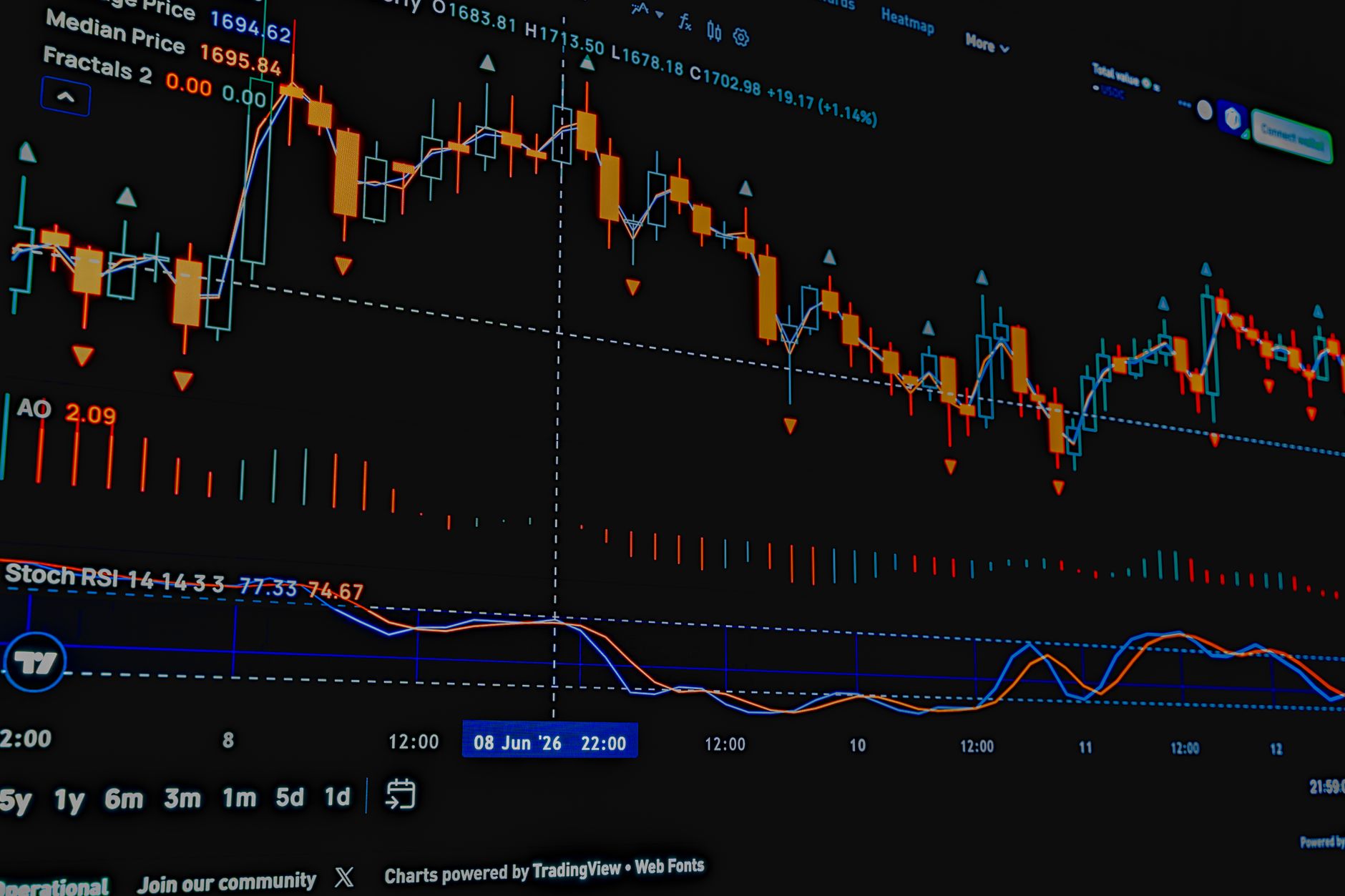
Wall Street's three major indexes tumbled sharply, with the S&P 500 and Nasdaq Composite falling far enough from their recent peaks to meet the common definition of a correction, a decline of 10% or more from a recent high. The S&P 500 closed at 6,910.39, down 3.7% from its previous close of 7,175.83 and nearly 12% below its 52-week high of 7,844.52 set earlier this year. The Nasdaq Composite bore the brunt of the selling, sinking 5.28% to 22,617.73, a steep drop from its previous close of 23,879.20 and well off its 52-week high of 27,722.75.
The Dow Jones Industrial Average held up comparatively better but still posted a sizable loss, falling 1.93% to 48,147.33 from 49,097.10. The blue-chip index remains further from correction territory than its peers, sitting roughly 12% below its 52-week high of 54,744.33, though all three benchmarks now trade well above their 52-week lows, underscoring how far markets have swung in both directions over the past year.
The magnitude of the decline, particularly in technology-heavy Nasdaq names, points to a broad reassessment of risk across equity markets rather than an isolated sector problem. Corrections of this scale typically reflect shifting expectations around interest rates, economic growth or corporate earnings, and the simultaneous slide across all three major indexes suggests investors were de-risking broadly rather than rotating between sectors.
Notably, U.S. stock futures jumped following the sell-off, suggesting some investors viewed the drop as overdone or a buying opportunity at lower price levels. A futures rebound after a correction-triggering session often signals attempts to stabilize sentiment, though it does not guarantee that the broader downturn has run its course.
Markets elsewhere showed signs of following Wall Street's lead, with shares in Australia and New Zealand pointing toward declines at their next open, indicating the sell-off's effects were beginning to ripple into Asia-Pacific trading. Investors will be watching closely in coming sessions to determine whether the futures bounce marks a genuine turnaround or merely a brief pause within a longer downtrend, with attention likely to focus on upcoming economic data and corporate earnings for signs of whether the correction deepens or reverses.