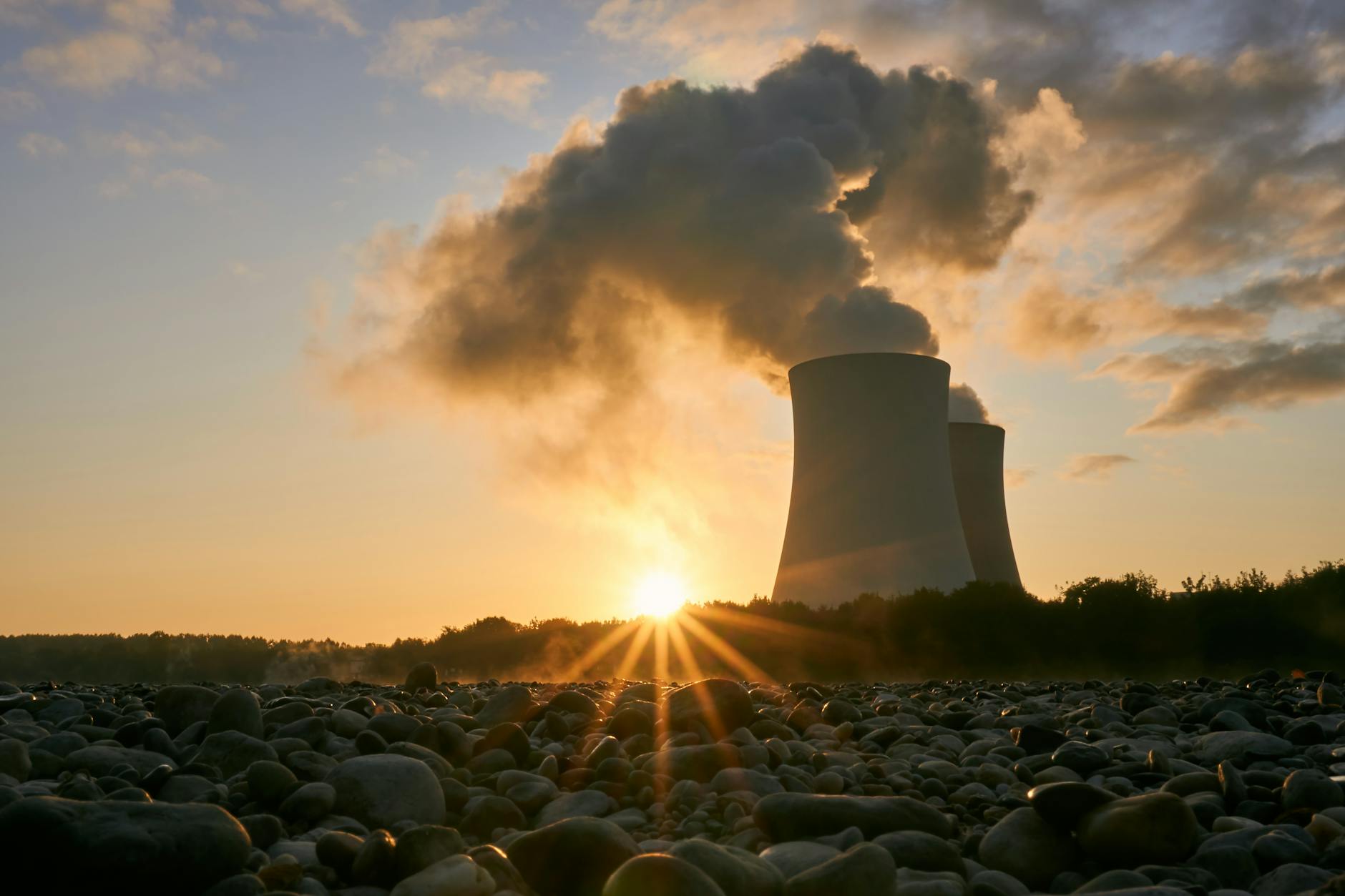
The Department of Energy under President Trump is extending $5 billion in loans to Constellation Energy to upgrade and extend the life of its nuclear reactor fleet. The twist is that most of the electricity this investment will eventually generate has already been spoken for by Google, Amazon, and Meta, which need enormous and reliable power supplies to run the data centers behind their AI systems.
The arrangement underscores a shift in how the federal government is approaching energy policy in the AI era. Rather than treating data center power demand as a private-sector problem to be solved through market forces alone, Washington is directly subsidizing nuclear infrastructure with the explicit understanding that Big Tech will be the primary beneficiary. Nuclear power has become especially attractive to AI companies because it offers steady, round-the-clock electricity without the intermittency issues tied to solar and wind, and without the carbon emissions associated with natural gas or coal.
This isn't happening in isolation. Over the past two years, major cloud and AI providers have increasingly turned to nuclear operators directly, striking long-term power purchase agreements and even exploring deals to restart shuttered reactors, as computing demands for training and running large AI models have outpaced what the existing grid can comfortably supply. Constellation's reactors modernizing under this loan effectively become captive supply lines for hyperscale computing, blurring the line between public infrastructure spending and private corporate demand.
Critics are likely to raise questions about whether taxpayer-backed loans should be used to bankroll energy capacity predominantly destined for a handful of the world's wealthiest companies, rather than for broader public electricity needs. Supporters will counter that modernizing aging nuclear plants carries national benefits regardless of who the end customer is, including grid stability, emissions reductions, and preserving energy infrastructure that might otherwise be retired.
The deal also signals that the federal government views AI infrastructure growth as a strategic priority worth direct financial backing, not just a private industry trend to watch from the sidelines. As more AI data centers come online in the next several years, expect similar arrangements between energy producers, tech companies, and government lenders, particularly as concerns mount over whether the US power grid can keep pace with AI's appetite for electricity. The Constellation loan may be an early test case for how that tension gets resolved.