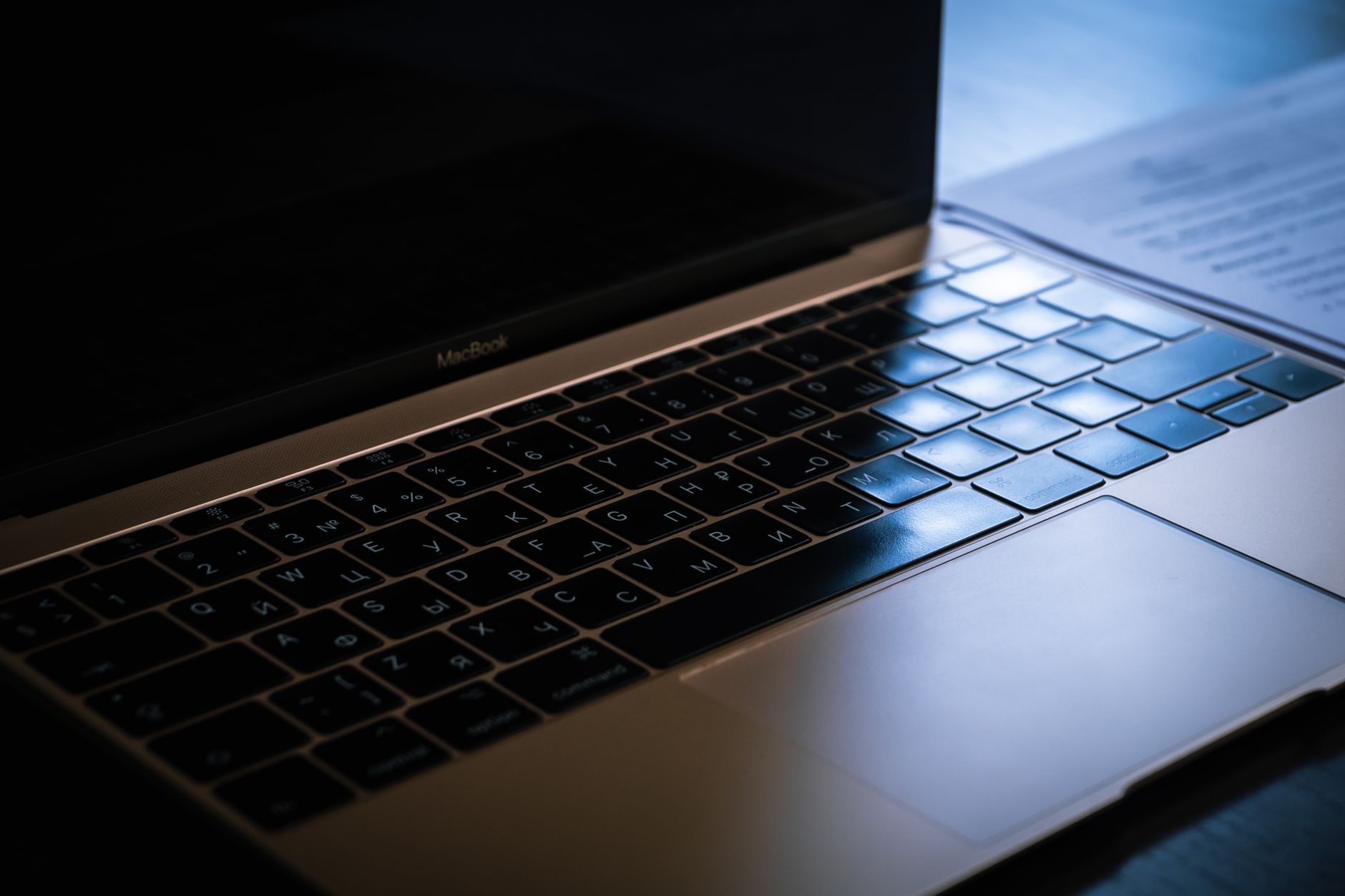
The move ends a long-standing design philosophy at Apple, which had repeatedly argued that touchscreens didn't belong on Mac computers because the ergonomics of reaching up to a vertical display were inferior to using a trackpad. That stance, reiterated by Apple executives for more than a decade, made the company an outlier as rivals running Windows built touch capability into premium laptops long ago. The new MacBook Pro signals a reversal, suggesting Apple now sees touch input as essential to keeping the Mac competitive rather than a gimmick.
The $2,899 starting price places the touchscreen model well above the baseline MacBook Pro lineup, positioning it as a premium option rather than a wholesale replacement for Apple's existing notebooks. That pricing structure hints at a cautious rollout, letting Apple test demand and refine the software experience before potentially extending touch capability across more of its laptop range.
The bigger question is what Apple does with macOS itself. Apple's operating system was never built around finger-based navigation the way iPadOS was, and a touchscreen is only as useful as the interface built to support it. How Apple adapts window management, app controls, and gestures for touch will determine whether this is a meaningful upgrade or a feature that goes largely unused, much like early touch implementations on competing laptops that drew criticism for feeling bolted on rather than integrated.
The timing also matters. Apple has spent the past year leaning harder into on-device AI features and tighter integration between its hardware and software, and a touchscreen Mac could open the door to new interaction patterns for those tools, from sketching directly into documents to manipulating AI-generated content with a finger instead of a cursor. Competitors have already explored similar pairings of touch displays and AI assistants, so Apple's entry raises the stakes for how laptop makers differentiate their machines going forward.
For now, the launch marks a notable shift in Apple's product strategy rather than a complete overhaul of the Mac lineup. Buyers will decide whether the added capability justifies the premium price, and Apple's next moves, including whether cheaper MacBook models eventually get the same feature, will show how committed the company is to touch as a core part of its laptop future.