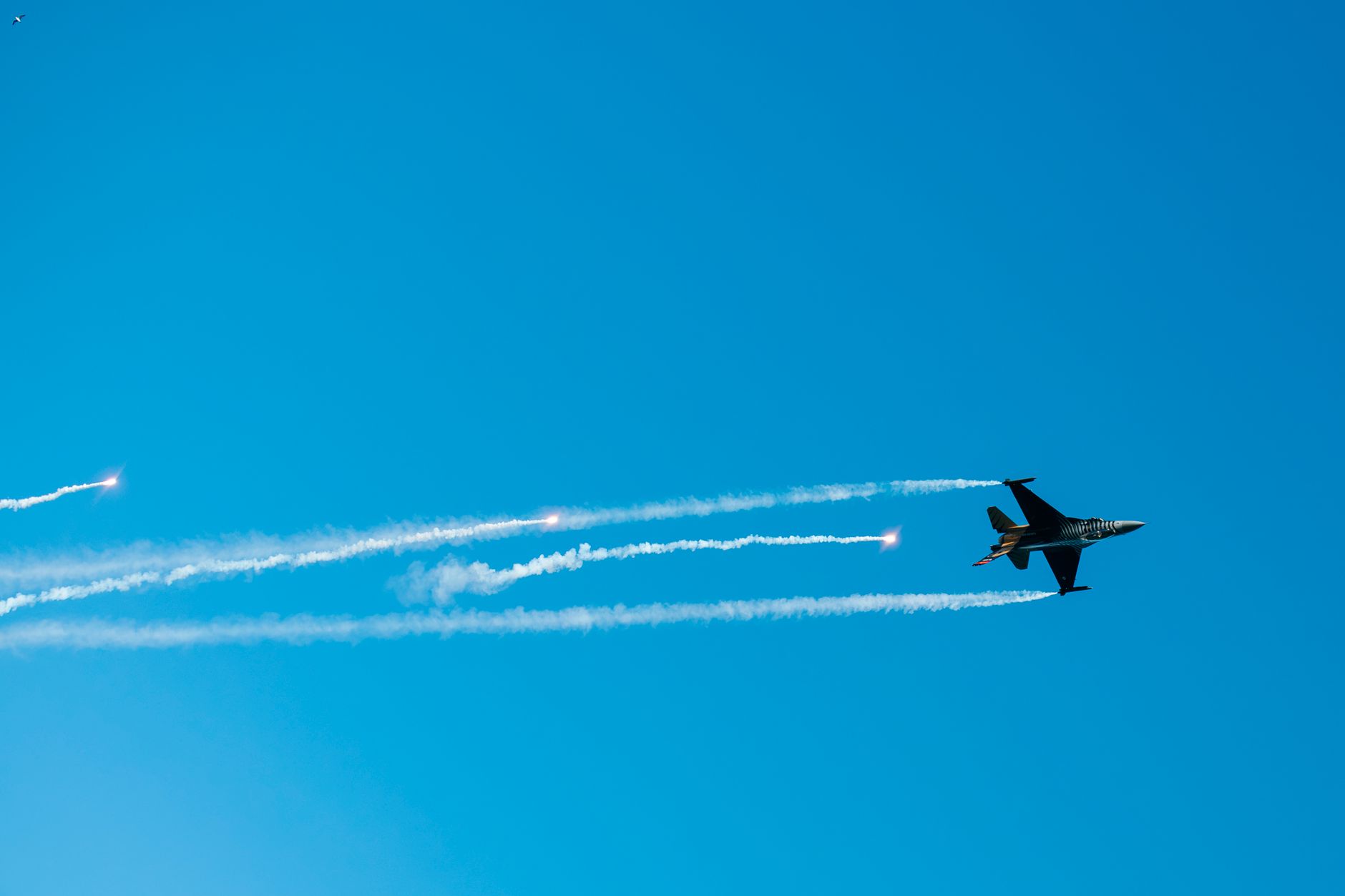
The exchange marks one of the more serious escalations in months between the Saudi-led military coalition and Houthi forces, who control Yemen's capital, Sanaa. According to officials, the coalition carried out an aerial assault on a fuel depot in the Houthi-administered city, a target that suggests an effort to disrupt the group's fuel supply and logistics capacity. In apparent response, projectiles were launched toward the area around Riyadh, where air defense systems intercepted them before they could reach populated areas near the Saudi capital.
The incident underscores how, despite years of on-and-off diplomacy and a broadly reduced tempo of active combat since a 2022 truce era, the underlying conflict between the Saudi-led coalition and the Houthi movement remains unresolved and capable of flaring without warning. Yemen's civil war, now entering its second decade, has drawn in regional powers and left millions dependent on humanitarian aid, with intermittent ceasefires never translating into a lasting political settlement.
Fuel infrastructure has repeatedly been a flashpoint in the conflict, as both sides have targeted ports, depots and refineries to squeeze the other's economic capacity. Strikes on fuel sites controlled by the Houthis have in the past drawn accusations from aid groups that such actions worsen shortages affecting civilians, who rely on functioning fuel markets for transport, cooking and electricity generation in an already strained economy.
The successful interception near Riyadh will likely be presented by Saudi authorities as evidence of the effectiveness of their air defense network, which has intercepted numerous drone and missile attacks from Houthi territory over the course of the war. Still, the renewed exchange of fire raises questions about whether a fragile de-escalation that has largely held in recent periods could be unraveling.
Neither side has signaled a broader shift in military posture beyond this episode, and there has been no immediate word on casualties or damage from either the fuel depot strike or the intercepted missiles. Regional mediators, including those involved in previous rounds of UN-backed talks, are likely to face renewed pressure to prevent further tit-for-tat strikes from escalating into a larger confrontation. Attention will now turn to whether the Houthi movement responds with further launches or whether both sides return to the uneasy restraint that has characterized recent months.