Summary
- Seven people died and 114 were injured in the crash, prosecutors said.
- Two trains traveling in the same direction collided outside Giza, near Cairo.
- Several carriages derailed as a result of the impact.
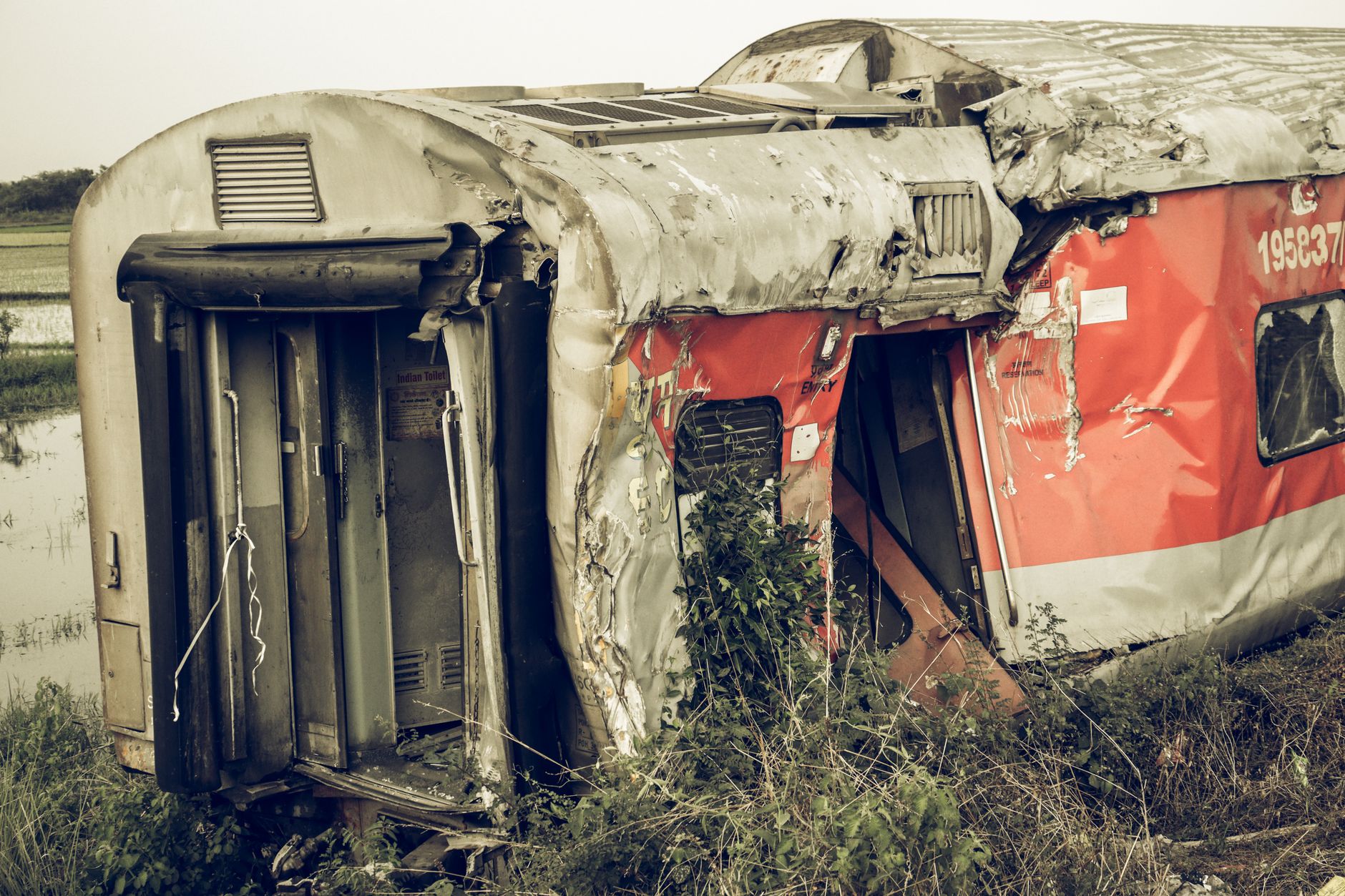
The crash occurred when one train struck another moving in the same direction on tracks south of the Egyptian capital, causing multiple carriages to leave the rails. Egypt's Chief Prosecutor's office said the death toll stood at seven, with injury figures rising past 110 as emergency crews worked through the wreckage and transported victims to nearby hospitals.
Rail disasters have recurred periodically across Egypt's aging transport network, prompting past government pledges to modernize signaling systems and rolling stock. The scale of Saturday's casualties is likely to renew scrutiny of safety protocols on one of the country's busiest commuter corridors, which links Cairo to towns and cities in Upper Egypt and serves large numbers of daily passengers.
Authorities have not yet detailed the cause of the collision, though officials typically examine signaling equipment, driver conduct and track conditions in the aftermath of such incidents. Investigators are expected to review data recorders and interview surviving crew members as part of an inquiry into how two trains ended up on the same stretch of line.
Emergency responders, including ambulance crews and civil protection teams, were dispatched to the scene to assist the injured and clear derailed cars from the tracks. Disruption to rail services in the area is expected while recovery operations continue and the damaged line is inspected for structural safety.
The incident adds to a long list of fatal train accidents in Egypt over the past decade, several of which prompted transport ministry reshuffles and promises of infrastructure investment. Pressure is likely to mount on officials to explain why safeguards failed to prevent two trains from occupying the same track, and to outline concrete steps to prevent a repeat of Saturday's disaster.